

Building a Powerful LinkedIn Platform
Client: Ross Swope
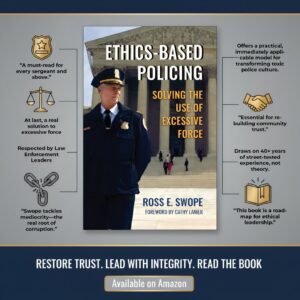
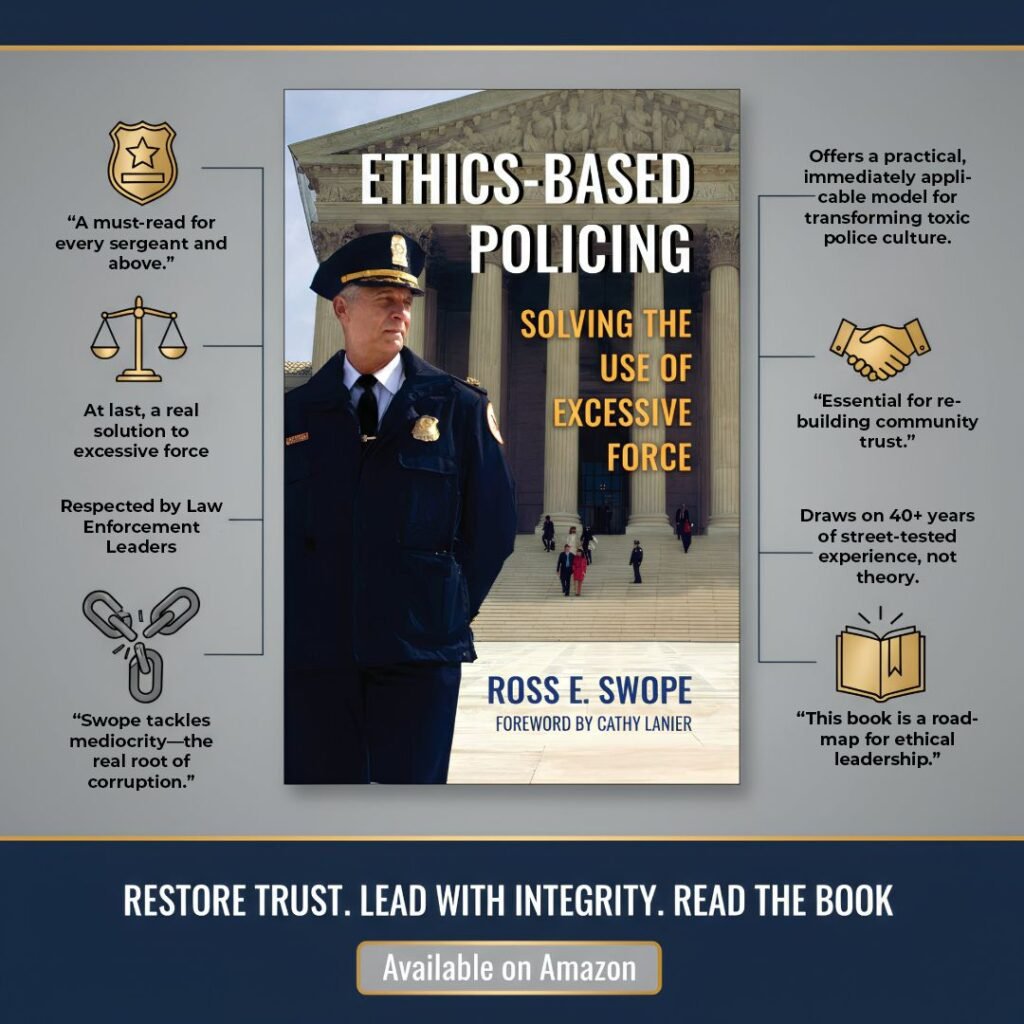
Author of Ethics-Based Policing: Solving the Use of Excessive Force.
Ross Swope grew up in the world of law enforcement. The son of a cop, he joined the Washington, DC, police force soon after he graduated from the University of Maryland in 1972. Over the next 43 years, he rose through the ranks, ultimately becoming deputy chief of the DC Metropolitan Police Department and then the chief of police of the US Supreme Court.
Platform Focus: LinkedIn
Services Provided: Newsletter Creation, Content Strategy, Brand Voice Development, Social Media & Visual Content, Podcast Placement

Ross Swope




The Challenge
When I began working with Ross Swope, he had an urgent, timely message—but a very limited digital footprint. With fewer than 500 followers and connections on LinkedIn, he was virtually unknown online—despite being a retired police chief and author with deep credibility in the law enforcement world.
The Approach
To amplify Ross’s voice without losing his authenticity, I studied his book and built a content strategy directly from his work—writing in first person to maintain his authority and style. The strategy included:
- Crafting social media posts and newsletter articles rooted in his book's lessons and real-world experience.
- Building the Ethics-Based Policing Newsletter from scratch on LinkedIn—including naming, design, and content.
- Writing 61 original newsletter articles (and counting), helping Ross build consistent thought leadership.
- Repurposing his voice into daily/weekly posts to maintain visibility and spark conversations with police leaders across the country.
By blending Ross’s authentic perspective with creative storytelling and compelling visuals, I was able to turn complex leadership lessons into shareable, high-impact content.
Newsletter Growth
The Ethics-Based Policing Newsletter has now grown to over 1,600 engaged subscribers, many of whom are within Ross’s core audience: law enforcement supervisors, trainers, and ethics-focused officers. This steady stream of long-form content has become the cornerstone of his platform.
Creativity Meets Strategy
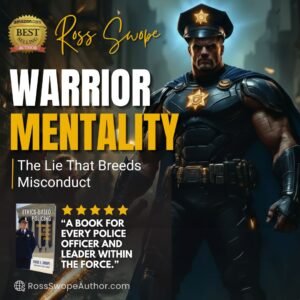
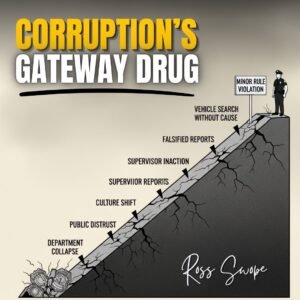
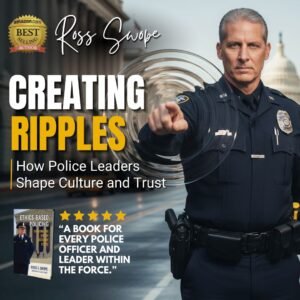
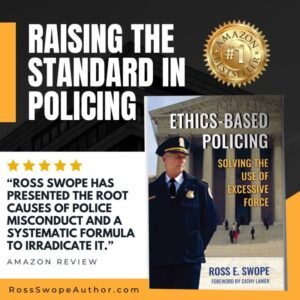
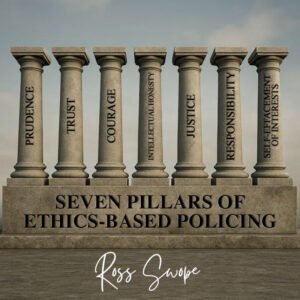
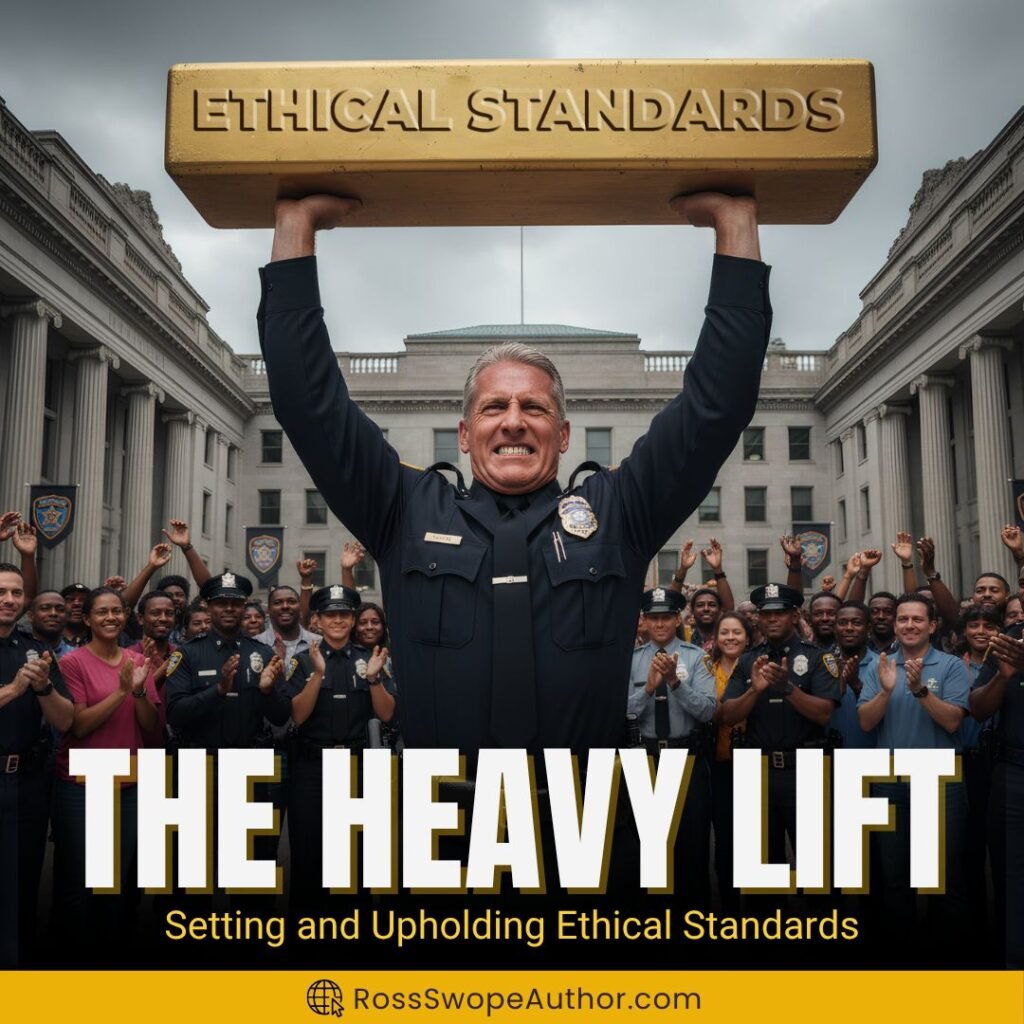
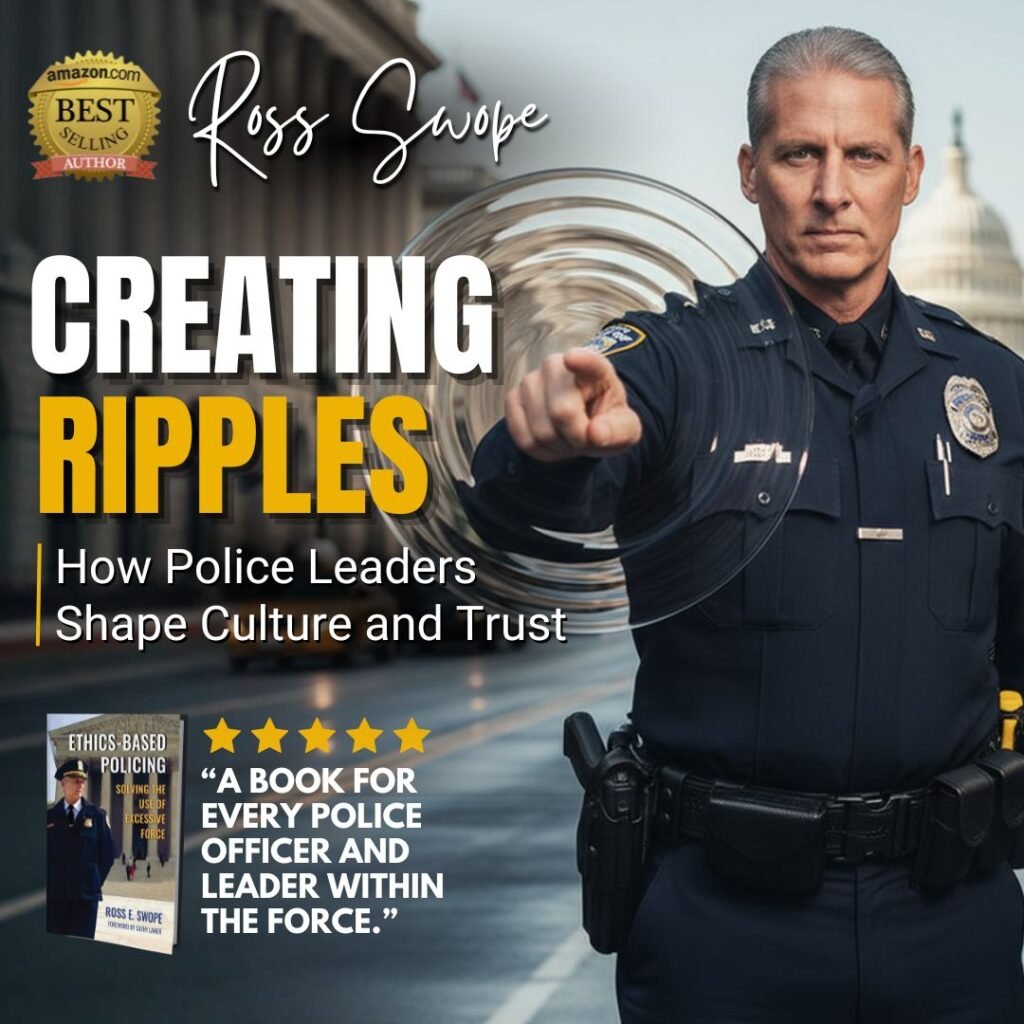
To stand out on a crowded LinkedIn feed, I brought in a creative edge—leveraging AI-generated imagery and illustrations that were custom-designed to match each post’s message. From allegories like “Raising the Bar” to heartfelt holiday messages, every image reinforced Ross’s themes and drew new attention.
Expanding Beyond LinkedIn
I also secured Ross at least six podcast appearances, helping him share his expertise with wider audiences. These appearances not only increased engagement—they contributed directly to new book sales.
The Results
- Grew Ross’s LinkedIn following from under 500 to over 5,000, with connection numbers quickly approaching the 5,000 cap.
- Published 61 newsletter articles, establishing consistent thought leadership.
- Gained over 1,600 newsletter subscribers organically.
- Secured multiple podcast guest spots in law enforcement and public service spaces.
- Increased book sales by over 1,000 copies, all organically within a niche audience built on trust and credibility.
- Created a branded visual identity through AI-assisted imagery that helped every post stop the scroll.
Why It Matters
The law enforcement community is hard to reach—and harder to influence—without credibility. By staying true to Ross’s values, voice, and mission, I helped transform his platform from quiet to commanding. He is now recognized as a trusted voice on ethical policing, reaching thousands of officers, supervisors, and public leaders who need his message.
LinkedIn Post Examples
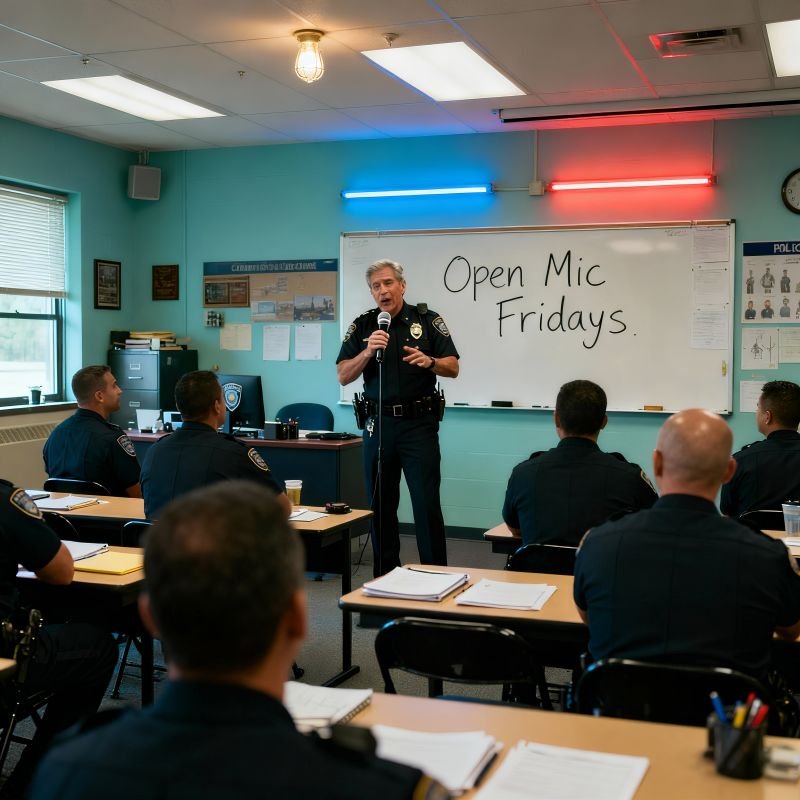
In policing, we often talk at our officers. But how often do we truly listen?
One of the most effective tools I ever used was “Open Mic Friday”—a space during roll call for officers to speak freely. No commanders. No agendas. Just the team and their frontline supervisors.
When officers feel heard, they invest more deeply in the mission. When they understand the “why” behind directives—like increasing foot patrols or visibility—they’re more likely to support and implement those initiatives with pride, not resentment.
Listening builds trust. Trust fuels change.
The simplest ideas—like giving your team a voice—can create the most profound shifts in culture.
— To learn how to build trust within your department and with your community, I encourage you to explore Ethics-Based Policing: Solving the Use of Excessive Force. Find it here: https://amzn.to/4jMwElx
#policeofficers #thinblueline #backtheblue #firstresponders #leadership #ethics #author #military #leadership #policeleadership #lawenforcement
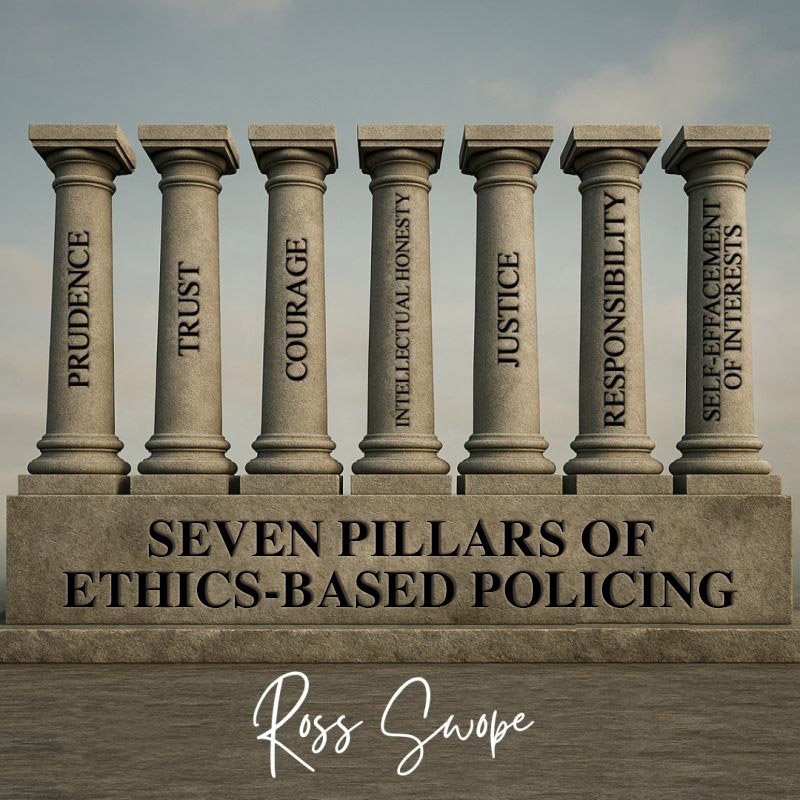
When officers know exactly what’s expected of them—and those expectations are rooted in core virtues—something powerful happens: performance rises, accountability improves, and trust begins to rebuild.
But expectations can’t be vague or casually mentioned at roll call. They must be consistently conveyed, reinforced, and modeled by supervisors who walk the talk. If we want officers to show up early, follow through on investigations, and act with integrity, those expectations must be clear and unwavering—from the top down.
As I’ve seen firsthand, even underperforming units can transform when expectations are clearly communicated. When officers know what leadership expects—and believe their leaders mean it—they will often rise to the occasion.
Let’s raise the bar. Our communities deserve it.
—
To learn more about establishing a high-performing ethical culture in law enforcement, I invite you to read Ethics-Based Policing: Solving the Use of Excessive Force. It’s available using the following links:
Amazon: https://amzn.to/4jMwElx
Barnes and Noble: bit.ly/3KHWc4w
Indie Bound: bit.ly/3n1nucs
Bookshop: bit.ly/3JknsUh
Learn more about me at rossswopeauthor.com
#police #lawenforcement #leadership #ethics #firstresponders #policeofficer #thinblueline #backtheblue #policetraining #accountability #military #author
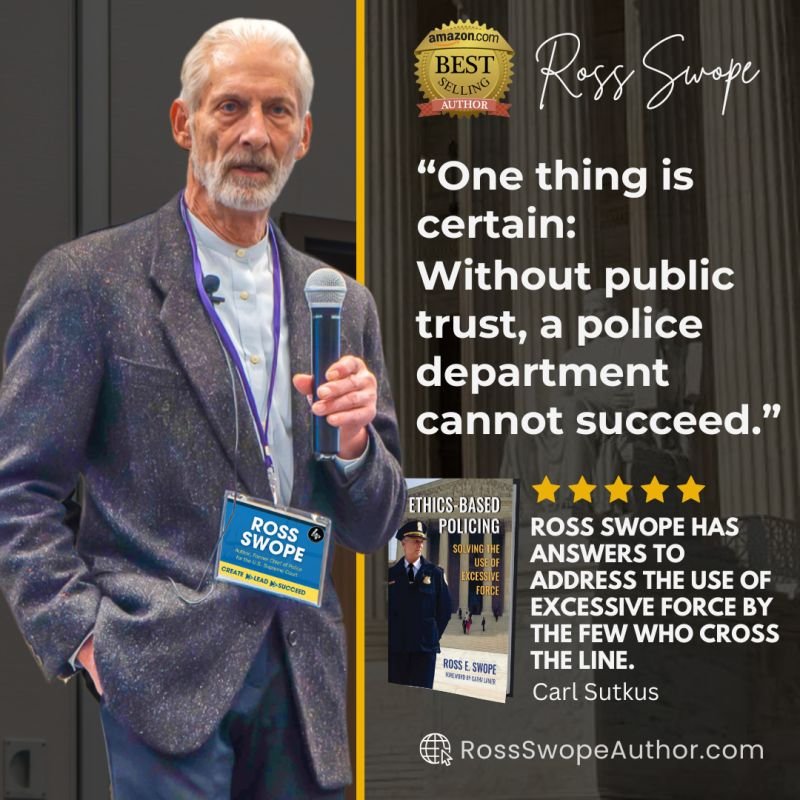
In every community I’ve served, one thing has been constant: without public trust, a police department cannot succeed.
Trust is not granted because you wear a badge—it’s earned through consistency, integrity, and fairness. Public trust means people will share information, cooperate during investigations, and support the department when times get tough. Lose that trust, and every call becomes harder, every investigation slower, and every conflict more volatile.
In Ethics-Based Policing, I explain how trust is built not through PR campaigns, but through officers living the core virtues—prudence, courage, intellectual honesty, justice, selflessness, and responsibility. As reviewer Carl Sutkus wrote, “Ross Swope has answers to address the use of excessive force by the few who cross the line… At last, someone with a workable solution that can significantly improve police–community relations.”
Our communities don’t just want police who enforce the law—they want police they can believe in. Trust is the foundation. Everything else is built on top of it.
—————
Purchase my Book, Ethics-Based Policing: Solving the Use of Excessive Force, using the following links:
Amazon: https://amzn.to/3N5M45U
Barnes and Noble: bit.ly/3KHWc4w
Indie Bound: bit.ly/3n1nucs
Bookshop: bit.ly/3JknsUh
Learn more about me at https://lnkd.in/eaycFwS6
#policeofficer #firsresponders #chiefofpolice #thinblueline #policeleadership #backtheblue #communitytrust #military #EthicsBasedPolicing #LawEnforcement #PoliceAccountability #EthicalPolicing #Leadership #PoliceLeadership
In policing, we often talk at our officers. But how often do we truly listen?
One of the most effective tools I ever used was “Open Mic Friday”—a space during roll call for officers to speak freely. No commanders. No agendas. Just the team and their frontline supervisors.
When officers feel heard, they invest more deeply in the mission. When they understand the “why” behind directives—like increasing foot patrols or visibility—they’re more likely to support and implement those initiatives with pride, not resentment.
Listening builds trust. Trust fuels change.
The simplest ideas—like giving your team a voice—can create the most profound shifts in culture.
— To learn how to build trust within your department and with your community, I encourage you to explore Ethics-Based Policing: Solving the Use of Excessive Force. Find it here: https://amzn.to/4jMwElx
#policeofficers #thinblueline #backtheblue #firstresponders #leadership #ethics #author #military #leadership #policeleadership #lawenforcement
When officers know exactly what’s expected of them—and those expectations are rooted in core virtues—something powerful happens: performance rises, accountability improves, and trust begins to rebuild.
But expectations can’t be vague or casually mentioned at roll call. They must be consistently conveyed, reinforced, and modeled by supervisors who walk the talk. If we want officers to show up early, follow through on investigations, and act with integrity, those expectations must be clear and unwavering—from the top down.
As I’ve seen firsthand, even underperforming units can transform when expectations are clearly communicated. When officers know what leadership expects—and believe their leaders mean it—they will often rise to the occasion.
Let’s raise the bar. Our communities deserve it.
—
To learn more about establishing a high-performing ethical culture in law enforcement, I invite you to read Ethics-Based Policing: Solving the Use of Excessive Force. It’s available using the following links:
Amazon: https://amzn.to/4jMwElx
Barnes and Noble: bit.ly/3KHWc4w
Indie Bound: bit.ly/3n1nucs
Bookshop: bit.ly/3JknsUh
Learn more about me at rossswopeauthor.com
#police #lawenforcement #leadership #ethics #firstresponders #policeofficer #thinblueline #backtheblue #policetraining #accountability #military #author
In every community I’ve served, one thing has been constant: without public trust, a police department cannot succeed.
Trust is not granted because you wear a badge—it’s earned through consistency, integrity, and fairness. Public trust means people will share information, cooperate during investigations, and support the department when times get tough. Lose that trust, and every call becomes harder, every investigation slower, and every conflict more volatile.
In Ethics-Based Policing, I explain how trust is built not through PR campaigns, but through officers living the core virtues—prudence, courage, intellectual honesty, justice, selflessness, and responsibility. As reviewer Carl Sutkus wrote, “Ross Swope has answers to address the use of excessive force by the few who cross the line… At last, someone with a workable solution that can significantly improve police–community relations.”
Our communities don’t just want police who enforce the law—they want police they can believe in. Trust is the foundation. Everything else is built on top of it.
—————
Purchase my Book, Ethics-Based Policing: Solving the Use of Excessive Force, using the following links:
Amazon: https://amzn.to/3N5M45U
Barnes and Noble: bit.ly/3KHWc4w
Indie Bound: bit.ly/3n1nucs
Bookshop: bit.ly/3JknsUh
Learn more about me at https://lnkd.in/eaycFwS6
#policeofficer #firsresponders #chiefofpolice #thinblueline #policeleadership #backtheblue #communitytrust #military #EthicsBasedPolicing #LawEnforcement #PoliceAccountability #EthicalPolicing #Leadership #PoliceLeadership
LinkedIn Newsletter Article Examples

Crash and Burn: How the Wrong People Can Destroy a Department’s Culture
The results? Far better. More engagement. More thoughtful applicants. And more people who understood that being a cop isn’t about power—it’s about purpose.
But hiring is only half the story. The other half is what you do with your supervisors.
I’ve seen good reform ideas crash and burn simply because the wrong person was presenting them. If the trainer lacks credibility—if they haven’t walked the beat, made the tough calls, earned the respect of the rank and file—the message won’t stick. The initiative fails before it starts.
I made sure that those leading change had real experience, not just titles. And when I faced resistance—because change always invites it—I didn’t shut down doubters. I brought them in. I gave them a role in shaping the process. More often than not, those skeptics became the strongest supporters.
I learned that people will rise to the occasion if you respect their experience, clearly explain your vision, and give them ownership of the change.
Want a cleaner patrol fleet? Explain why the inspection forms matter. Want buy-in on promotions? Show how a merit-based process protects integrity—not favoritism.
Every step matters. Every officer matters. And if you do it right, the public will see it, feel it, and respond with trust.
That’s the power of ethical leadership. That’s how we change the profession—from the inside out.
—
To learn more about recruiting ethically grounded officers and empowering credible supervisors to lead change from within, I invite you to read my book Ethics‑Based Policing: Solving the Use of Excessive Force. It’s filled with real-world lessons, tested strategies, and practical tools for ethical leadership.
👉 Available here: https://amzn.to/4jMwElx

The Complicit Supervisor — How Leadership Fuels Noble Cause Corruption
One of the most powerful forces in any police department is not the badge or the law—it’s the culture. And culture is shaped, for better or worse, by supervisors.
When noble cause corruption takes root, it almost always has an accomplice: silence or tacit approval from those in command.
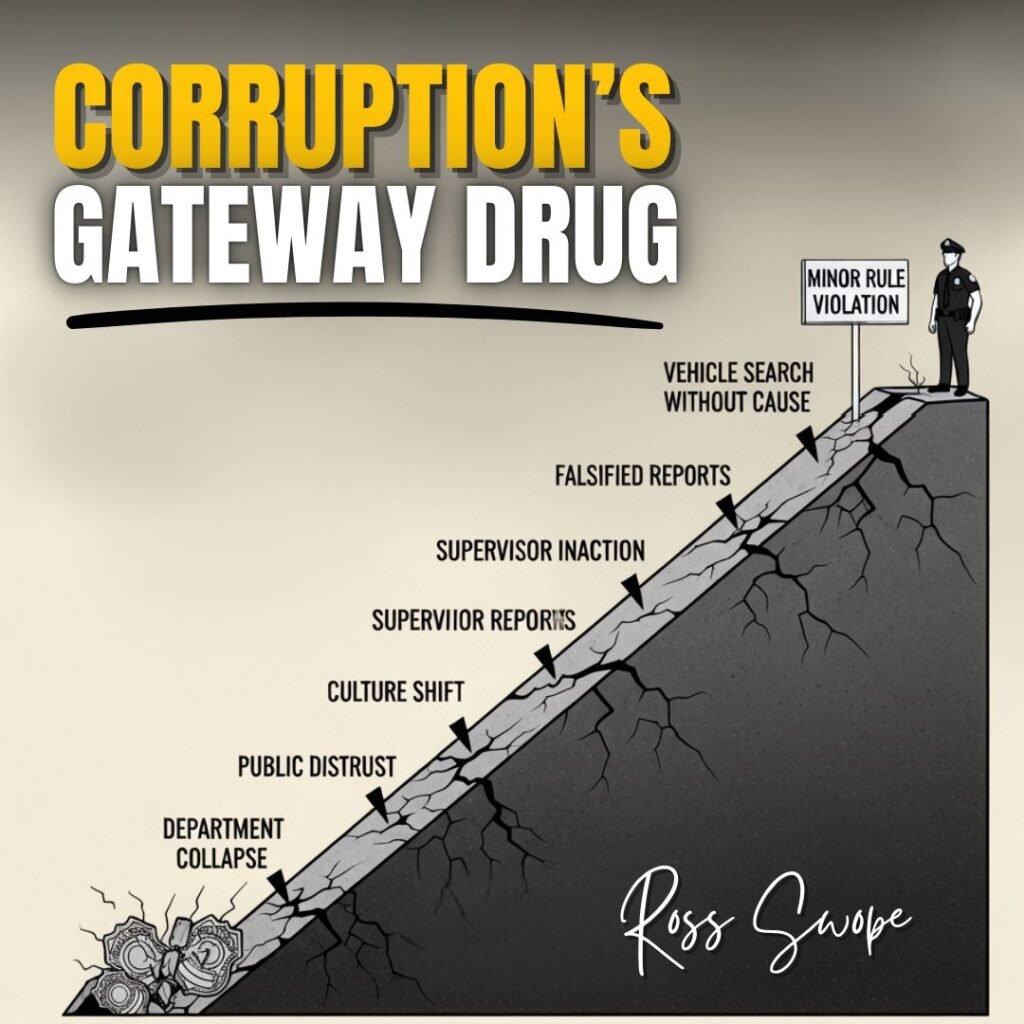
Let me be clear—sergeants, lieutenants, and captains know what’s going on in their units. They see the shortcuts. They hear the whispers. They read the reports. When these leaders do nothing—or worse, reward results achieved through unethical means—they signal that bending rules is acceptable.
That is dangerous.
Because it teaches young officers that ethics are optional. That loyalty matters more than legality. And that as long as you “get the bad guy,” no one will question how you did it.
I’ve seen it firsthand: supervisors overlooking unlawful searches, ignoring abusive conduct, or even congratulating officers who pushed legal boundaries. In every instance, the result was the same—standards eroded, and corruption grew.
The solution isn’t complicated, but it requires courage:
- Hold your people accountable.
- Reinforce that means matter as much as ends.
- Celebrate integrity—not just arrests.
- Refuse to protect unethical behavior.
- Lead by example.
Police core virtues—prudence, justice, intellectual honesty, responsibility—must not be optional. They must be the standard. And they start at the top.
A department’s ethical climate reflects its leadership. If that climate permits noble cause corruption, it’s not just a few bad apples—it’s a poisoned tree.
—
To explore how ethical leadership can be restored and strengthened in policing, I encourage you to read my book Ethics‑Based Policing: Solving the Use of Excessive Force. It’s available here: https://amzn.to/4jMwElx
LinkedIn Video Post Examples
To expand Ross Swope’s reach and deepen audience engagement, I implemented a three-tiered video content strategy on LinkedIn:
Storytelling Videos (AI Voice Clones):
These short-form, inspirational videos use an AI-generated version of Ross’s voice to share impactful leadership stories, parables, and ethical lessons. Designed to resonate with a broad audience, they drive discovery, shares, and new followers—serving as entry points to Ross’s core message and book.
UGC-Style Videos (Direct from Ross):
Ross records raw video footage sharing thoughts, lessons, or updates directly with his audience. I handle editing, captioning, and sound design, polishing these clips into compelling, personal posts that showcase Ross’s real voice and presence.
Podcast Snippets (Topic Highlights):
From Ross’s longer podcast interviews, I extract key moments or insights and edit them into focused, digestible clips. These allow viewers to absorb one idea at a time while also encouraging them to explore the full episode—and Ross’s book.
Basketball Cop Video: A Viral Moment with Real Results
One of the most successful videos on Ross Swope’s LinkedIn platform was a short-form storytelling video based on the well-known “Basketball Cop” story. Crafted to spotlight ethical leadership and community engagement, the video was narrated using Ross’s AI-generated voice and paired with compelling visuals.
The results were impressive:
56,259 total impressions
40,400 unique members reached
28,897 video views
197+ hours of total watch time
Average watch time: 24 seconds
Beyond engagement, the post directly contributed to Ross’s personal brand growth:
33 new followers gained from this post alone
32 profile views attributed to the video
1,847 reactions, 158 comments, 163 reposts, 32 saves, and 21 shares via LinkedIn messages
This video hit the mark by combining emotional storytelling, ethical messaging, and high-quality visuals, drawing in thousands of new eyes while pushing Ross’s platform—and his book—into wider awareness within the law enforcement and leadership communities.
Holding the Line— Real Leadership in Action
This impactful video was adapted from Ross Swope’s interview on the Police1 Podcast, where he recounted a pivotal moment in 2012 during the Occupy movement. In the clip, Ross describes how he led his team in de-escalating a high-stakes situation when protestors attempted to overtake the Supreme Court.
To maximize impact, I carefully edited the segment to highlight the most powerful parts of Ross’s story. I then layered in authentic 2012 Occupy movement footage that I was able to locate as b-roll, adding visual credibility and emotional depth to his words.
The result was a real-world leadership moment brought to life—keeping viewers engaged while reinforcing Ross’s voice as a credible authority in ethical policing and calm, principled leadership under pressure.
Keynote Speaker Promotional Video
To help position Ross Swope as a sought-after keynote speaker in the field of ethical policing and leadership, I created a dynamic promotional video that showcases his message, presence, and credibility.
I wrote a compelling script that captured Ross’s voice and values, then recorded a professional voiceover to anchor the video.
To enhance the visual impact, I incorporated b-roll footage from a leadership conference I personally attended, along with curated clips and images of Ross speaking at other live events.
The result is a polished, high-energy promo designed to introduce Ross to event organizers, training coordinators, and departments looking for a powerful and experienced speaker on ethical leadership in law enforcement.